Importing a car from Japan is not only about finding a low purchase price. The best Japanese cars for South Sudan must suit the roads, climate, repair environment and total landed cost. A car that works well around Juba may struggle on a rough rural route.
A 2025 United Nations report highlights South Sudan’s limited paved-road network (United Nations, Report on South Sudan and the Sahel, 2025). This guide compares practical Japanese vehicles for commuting, family travel, business transport and rougher roads. You can also review South Sudan import rules and costs before choosing a model.
Quick Answer
- The Toyota HiAce suits cargo, passenger transport and business use.
- The Toyota RAV4 is a strong compact choice for mixed roads.
- The Probox makes sense for work, deliveries and commuting.
- The Sienta, Noah and Voxy suit families on maintained routes.
- The Prius is mainly an urban fuel-saving option, not a rough-road specialist.
What Makes a Japanese Car Suitable for South Sudan
The best choice is usually the vehicle that matches your route, workload and repair options. The UN’s 2025 account of South Sudan’s limited paved-road network makes clearance, suspension condition and tyre quality central buying factors (United Nations, Report on South Sudan and the Sahel, 2025).
A suitable vehicle should also use a powertrain that local mechanics understand. Familiar Toyota petrol and diesel systems may simplify repairs, while hybrids can suit town driving if battery diagnosis is available. For this import programme, vehicles are selected as right-hand-drive and no age limit applies, but registration requirements should still be confirmed before payment.
| Buying factor |
Why it matters |
| Ground clearance |
Helps on washouts, uneven tracks and loaded journeys |
| Parts familiarity |
Can reduce repair delays |
| Service history |
Shows whether important maintenance was completed |
| Auction and inspection reports |
Reveal faults photographs may hide |
| Fuel use |
Affects every regular journey |
| Load capacity |
Prevents overloading smaller cars |
A high auction grade is useful, but it does not make a low-clearance car suitable for every route. The road, load and suspension condition matter just as much.
Compact Japanese Cars for Town Driving and Light Work
Compact vehicles are strongest when you mostly drive in town, carry moderate loads and value easier manoeuvring. Toyota’s 2018 Japanese Probox release listed a 1,496 cc hybrid engine and 22.6 km/L under the WLTC test cycle (Toyota Global, Probox Hybrid product release, 2018). That figure applies only to the specified variant, not every Probox.
Toyota Probox: Practical Work and Commuting
The Toyota Probox is a sensible general recommendation for small-business work, tools, deliveries and daily commuting. Its commercial-vehicle design prioritises usable space and a simple cabin, rather than comfort or expensive equipment.
The Probox is a petrol general recommendation here, not an individual vehicle listing. Its strengths are compact dimensions, familiar Toyota mechanicals and useful cargo space. The cautions are a basic interior, limited family comfort and lower clearance than a dedicated 4WD. Avoid overloading it on severe tracks or major washouts.
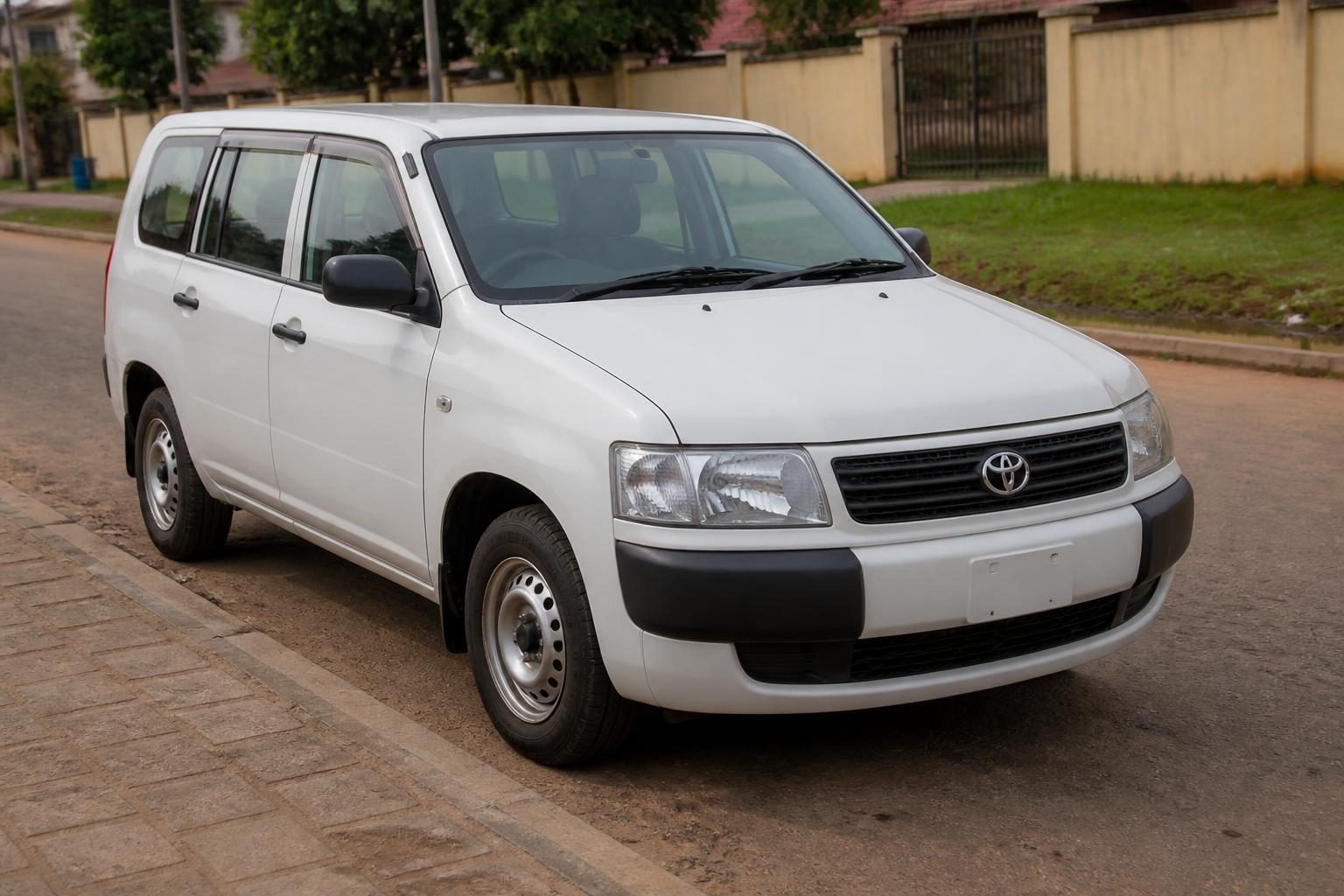 Toyota Probox
Toyota Corolla Fielder: Estate Practicality
The 2014 Toyota Corolla Fielder is a useful middle ground between a basic work car and a larger family vehicle. Its wagon body offers more luggage flexibility than a saloon, while its compact size remains easy to manage around town.
The supplied vehicle record identifies model code NKE165G, hybrid power, five seats, 40,000 kilometres and auction grade 3.5. Its lower clearance means you should assess the route, tyres and suspension carefully. It suits urban use and maintained inter-city roads better than regular rough travel.
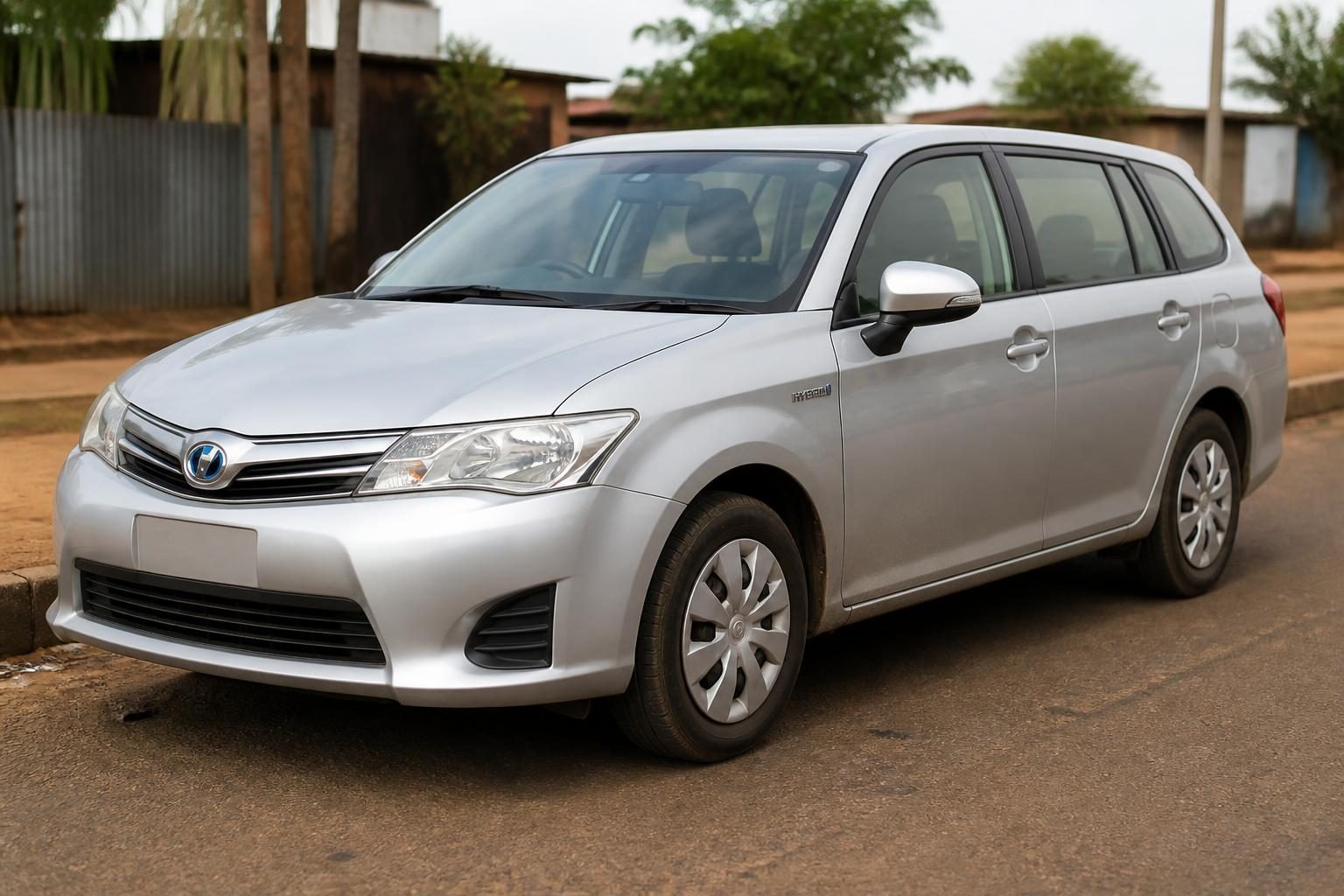 2014 Toyota Corolla (Fielder)
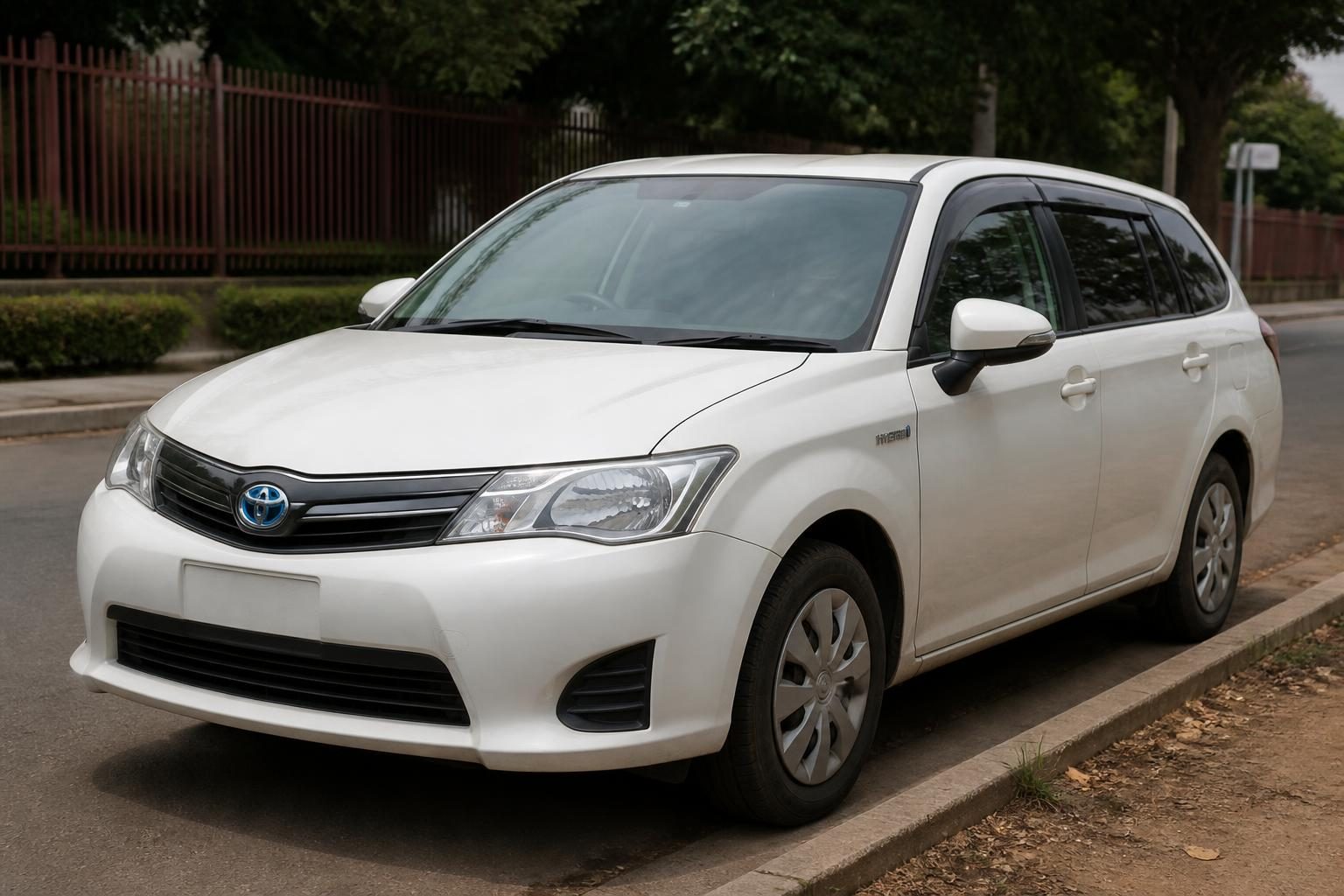 2014 TOYOTA corolla (FIELDER HYBRID G)
Toyota Sienta: Compact Family Flexibility
The 2016 Toyota Sienta suits smaller families, town driving and buyers who want seven seats in a compact body. Sliding doors and flexible seating are useful around Juba, particularly where parking and narrow streets make a large MPV inconvenient.
The supplied example uses hybrid power, model code NHP170G, seven seats, 96,000 kilometres and auction grade 4. Its compact dimensions are helpful, but its lower clearance limits route choice. It is not a good reason to carry more passengers or luggage than the manufacturer allows.
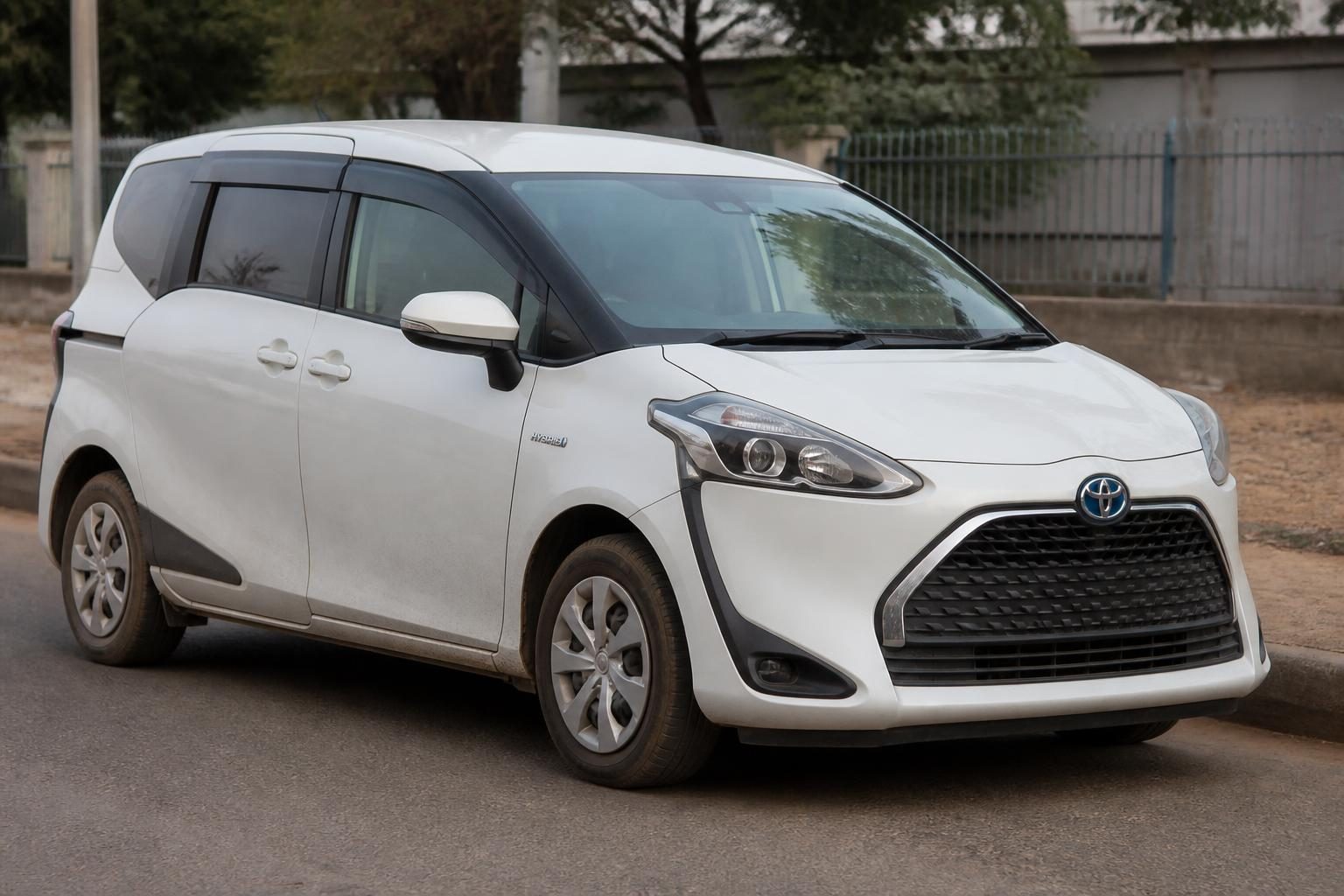 2016 Toyota Sienta
Which Japanese People-Mover Suits a Larger Family?
Larger families should compare passenger space with road quality and running cost. Toyota’s 2022 Noah and Voxy release confirmed seven- and eight-seat configurations, plus hybrid options (Toyota Global, Noah and Voxy product release, 2022). The same release quoted 23.4 km/L WLTC for a specified Noah X 2WD hybrid, not every grade.
Toyota Noah: Family and Group Transport
The 2024 Toyota Noah offers more passenger and luggage space than the Sienta. It makes sense for larger families, organised group travel and longer journeys on maintained roads.
The supplied vehicle record identifies model code ZWR90W, hybrid power, seven seats, 26,000 kilometres and auction grade 3.5. Check the suspension, tyres, air-conditioning and signs of heavy passenger use. Its size and lower clearance make it less suitable for severe rural tracks.
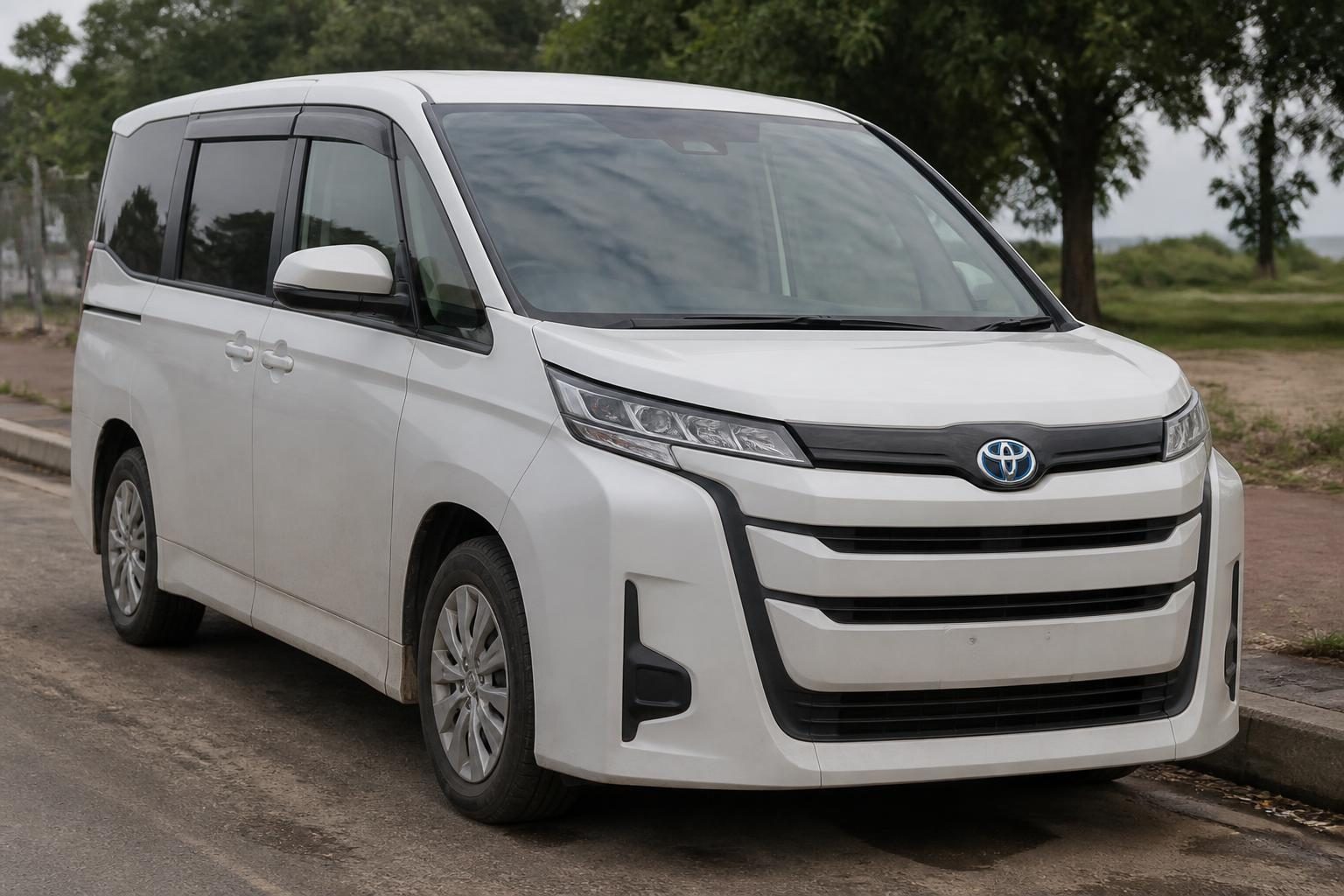 2024 Toyota Noah
Toyota Voxy: Space and Comfort
The 2023 Toyota Voxy is a strong family and group-transport option where cabin space matters. It gives passengers more room than the Sienta and offers useful flexibility for people and luggage.
This supplied example has model code ZWR90W, hybrid power, seven seats, 55,000 kilometres and auction grade 4.5. Its comfortable cabin does not remove the need to inspect the underbody, tyres and suspension. The Voxy is better suited to Juba and maintained inter-city routes than severe tracks.
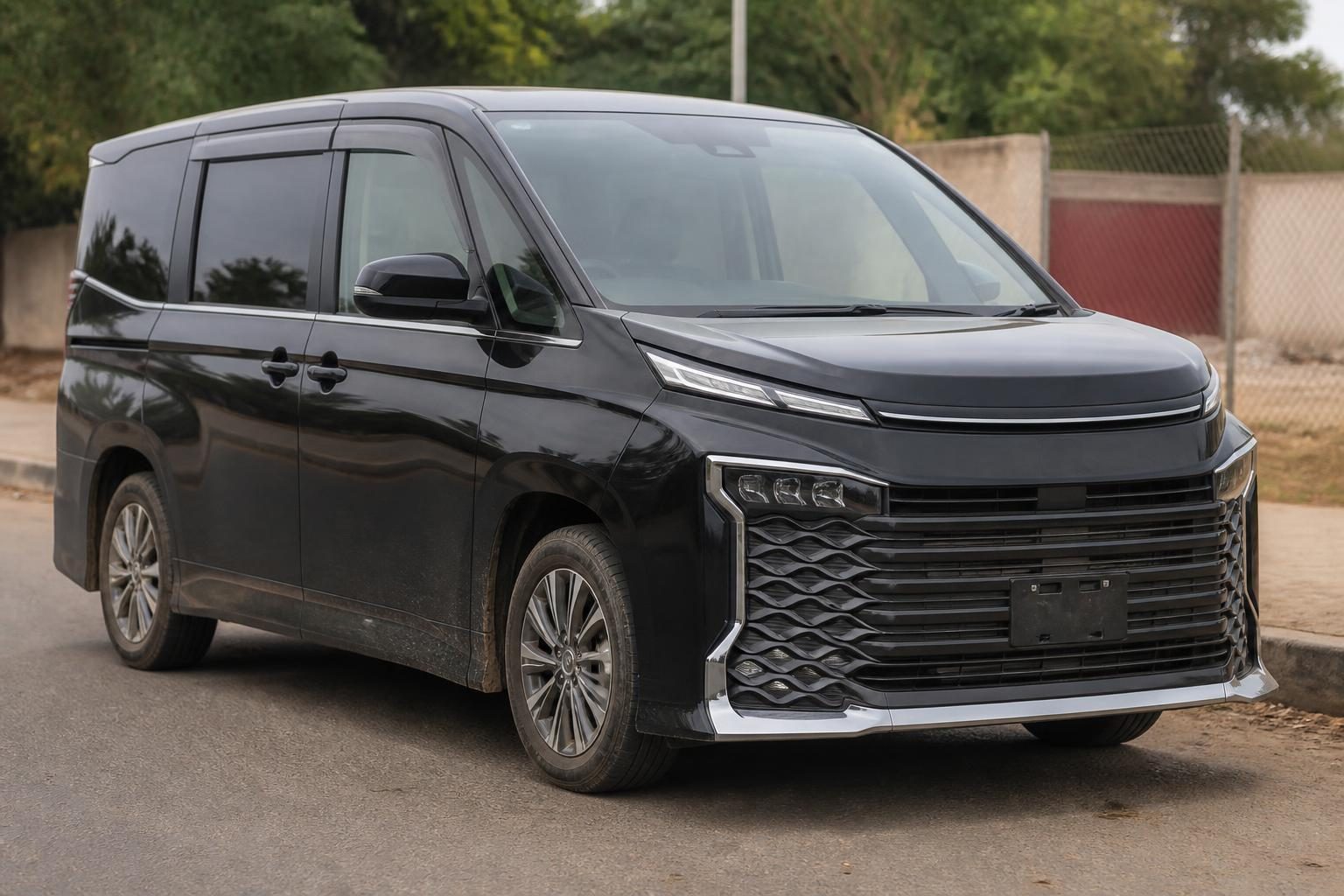 2023 Toyota Voxy
| Model |
Best fit |
Main trade-off |
| Sienta |
Small family and town driving |
Less space and lower clearance |
| Noah |
Larger family and passenger use |
Bigger body and lower clearance |
| Voxy |
Space, comfort and group travel |
More space to manoeuvre and not designed for severe tracks |
Should You Choose a Toyota HiAce or RAV4 for Rougher Routes?
The listed 2021 Toyota HiAce has 117,000 kilometres, while the listed 2019 Toyota RAV4 has 104,300 kilometres. These figures show why condition evidence matters more than model reputation alone. Both vehicles need inspection of their drivetrain, suspension, tyres and underbody.
Toyota HiAce: Cargo and Passenger Capacity
The 2021 Toyota HiAce is the strongest fit here for cargo, business operations and passenger transport. Its diesel powertrain, van body and three-seat configuration prioritise practical capacity over compact dimensions.
The supplied vehicle has model code GDH206V, diesel power, 117,000 kilometres, auction grade 3.5 and 4WD. Inspect it for commercial wear, suspension fatigue, rust, underbody damage, worn tyres and heavy-load use. Four-wheel drive helps on difficult routes, but it cannot correct neglect.
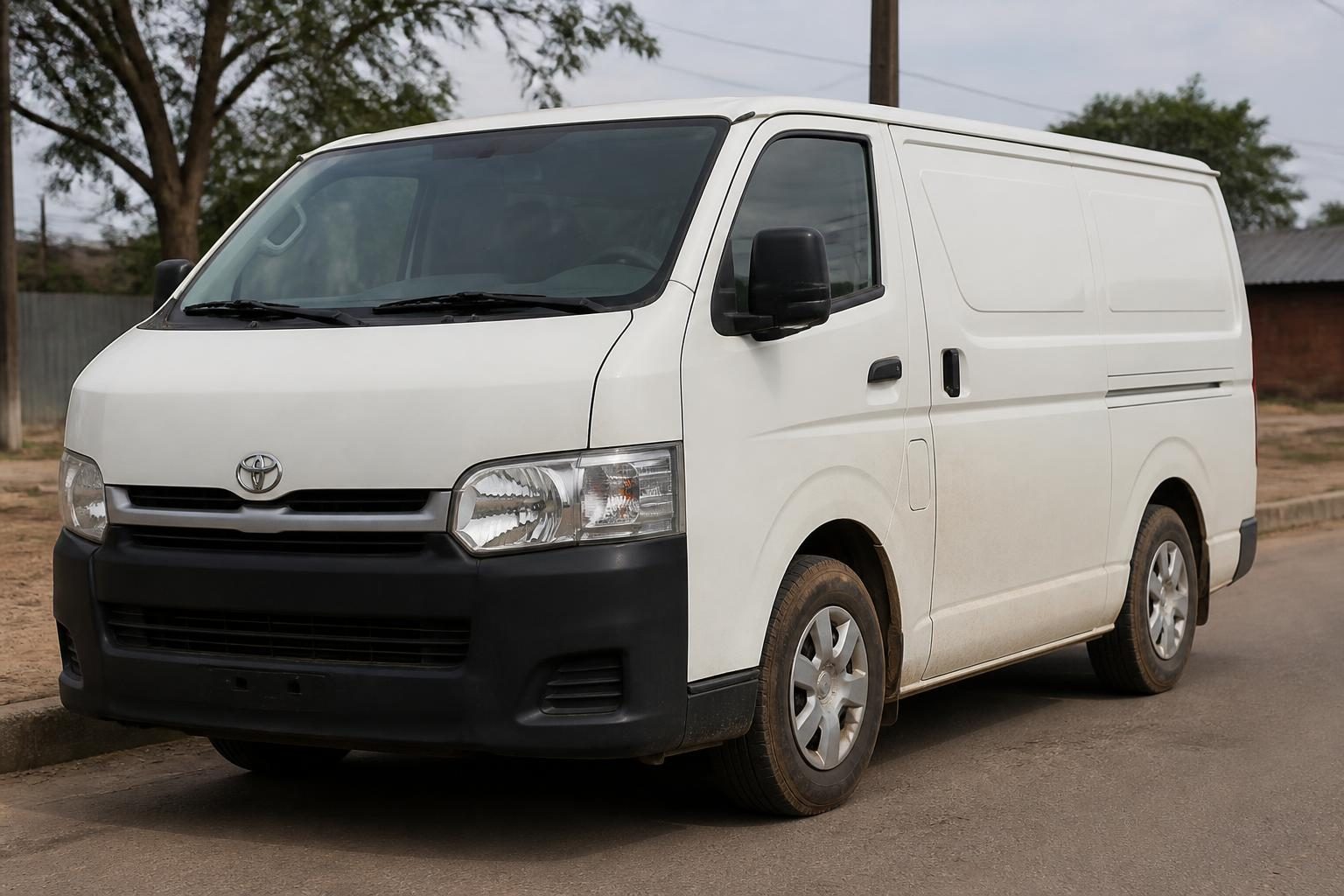 2021 Toyota HiAce
Toyota RAV4: Compact 4WD Compromise
The 2019 Toyota RAV4 is probably the best fit for buyers who regularly leave paved roads but do not need a large van. Its SUV shape offers more route flexibility than the Probox, Fielder, Sienta or Prius.
The supplied vehicle uses model code AXAH54, hybrid power, five seats, 104,300 kilometres and auction grade 3.5. Check the hybrid system, drivetrain, differentials, suspension and underbody carefully. It costs more to buy than a compact town car; assess fuel use, servicing, tyres and parts access separately. It may suit mixed roads better.
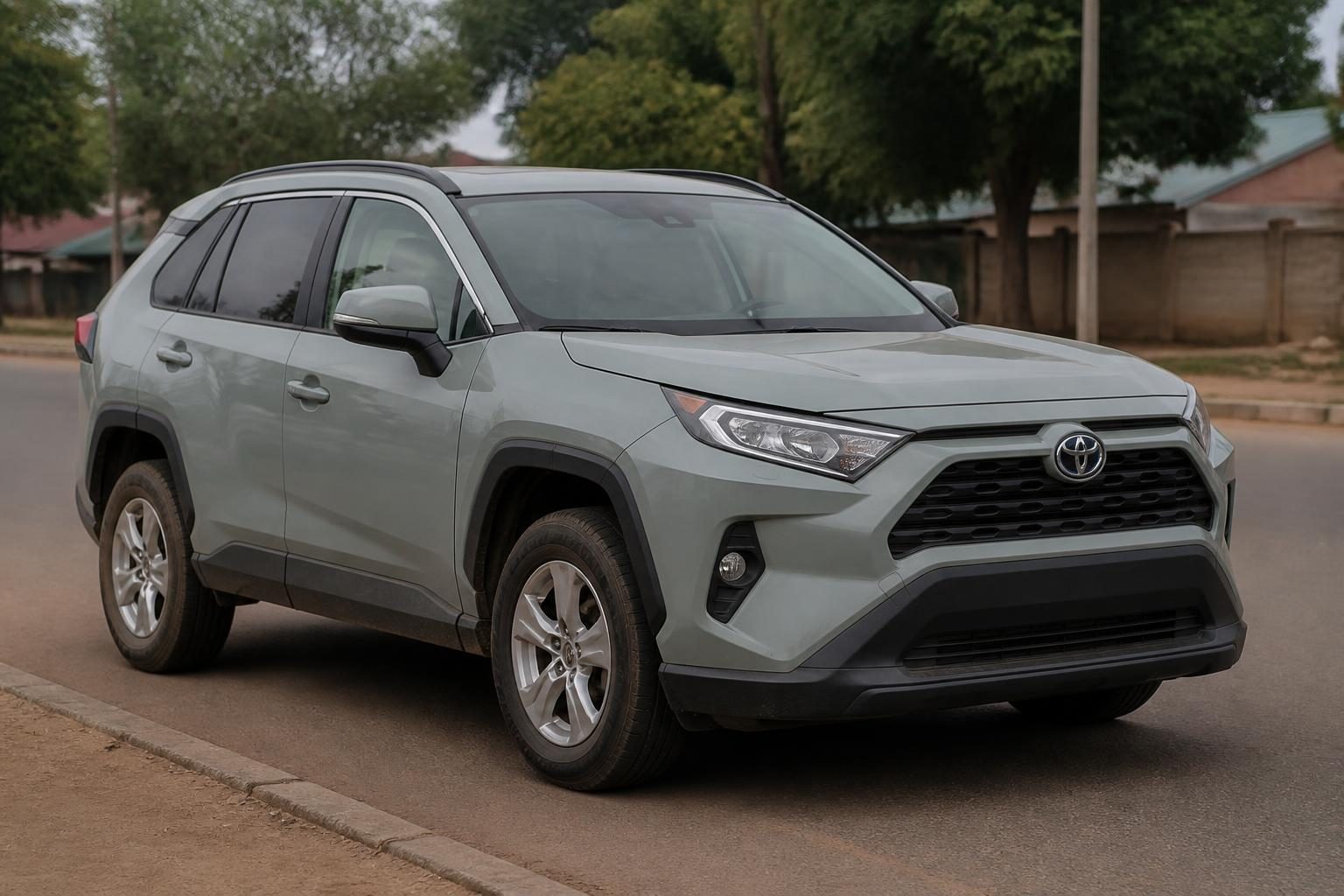 2019 Toyota RAV4
Are Japanese Hybrids Good Value in South Sudan?
Several models on this shortlist are hybrids. Hybrid value is strongest in stop-start town driving, while clearance, battery age and diagnostic support matter more on rough routes.
The Prius can reduce fuel use in urban driving, but any fuel figure must come from an official Japanese-market specification for the exact model and test cycle. Do not transfer figures from a US-market Prius to the Japanese-market ZVW60 discussed here.
Toyota Prius: Conditional Urban Recommendation
The 2023 Toyota Prius suits buyers who mainly drive in town or on reasonably maintained roads. It is attractive when fuel efficiency matters more than clearance or cargo capacity.
The supplied example has model code ZVW60, hybrid power, five seats, 63,877 kilometres and auction grade 3.5. Check the hybrid battery information, underbody, suspension and diagnostic support before importing. It is an urban value option, not a universal rough-road vehicle.
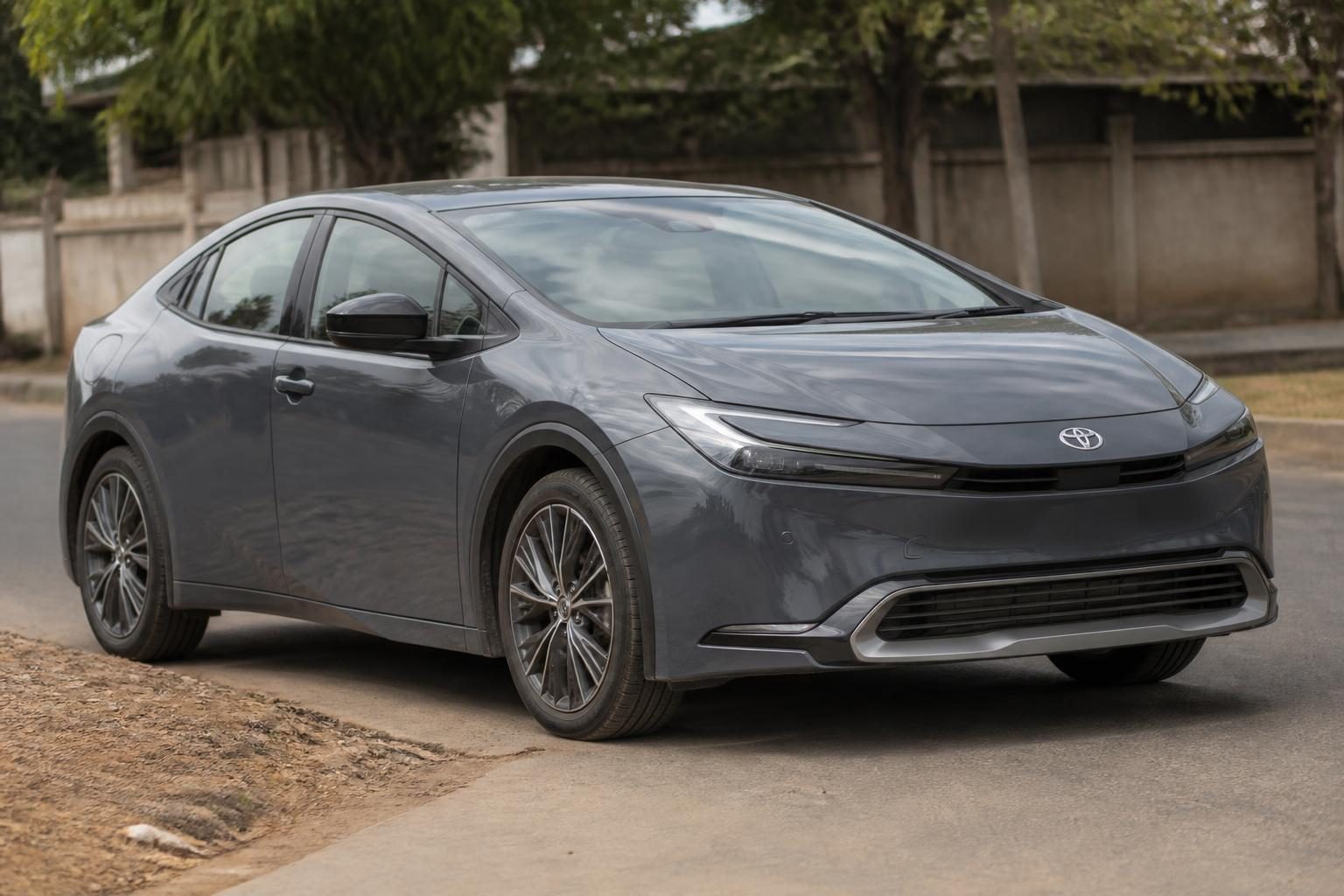 2023 Toyota Prius
A low fuel figure can become poor value if a vehicle spends its life scraping tracks, carrying heavy loads or waiting for specialist diagnosis.
How Should You Judge Reliability Before Importing?
The listed examples range from auction grade 3.5 to 4.5, but an auction grade describes condition at inspection rather than future reliability. Carbarn’s buying guidance explains that an auction grade is a high-level condition assessment at inspection, not a guarantee of future reliability. Use it alongside the auction sheet, repair-history markings and inspection evidence.
Before payment, review the official auction sheet, exact grade, repair-history markings, mileage, service evidence, underbody, suspension, tyres, brakes, engine, transmission and air-conditioning. Hybrid vehicles also need battery-related information. South Sudan’s Trade Information Hub lists a customs declaration form C17 and import licence among trade procedures (South Sudan Ministry of Trade and Industry, Trade Information Hub Requirements, 2026).
Condition warning: A clean photograph cannot show every underbody fault, worn suspension component or previous structural repair.
Which Japanese Car Fits Your Route and Budget?
A practical shortlist works better when divided into three needs: town use, family or passenger space, and rougher-road capability. Broad vehicle-price bands can help you compare options, but they are not landed totals. Auction prices, shipping, duty, VAT, clearance, registration, licensing and inland delivery remain separate costs.
| If you mainly need… |
Start by considering… |
| Simple work and commuting |
Toyota Probox |
| Estate luggage space |
Corolla Fielder |
| Small-family practicality |
Toyota Sienta |
| Larger family space |
Toyota Noah or Voxy |
| Cargo or passenger business |
Toyota HiAce |
| Regular mixed-road travel |
Toyota RAV4 4WD |
| Urban fuel saving |
Toyota Prius |
As a dated June 2026 comparison snapshot, these broad bands refer to the vehicle-plus-shipping or CIF figure, not the landed total. Examples from Carbarn listings and a commercial comparison of SBT Japan listings suggest that under $10,000 may suit older compact vehicles, while the $10,000 to $15,000 range opens more estate and family options. Around the $20,000 mark, larger MPVs, newer hybrids and suitable 4WDs may enter the comparison. Review Toyota specifications and compare the complete quote, not only the vehicle price.
How Does the Japan-to-South Sudan Buying Process Work?
Vessel transit is commonly presented as about 24 to 36 days from Japan to Mombasa, followed by road transport into South Sudan (Carbarn South Sudan, Buying guidance, 2026). That is not the full import timeline; Carbarn also describes typical transit elsewhere as approximately 40 days.
Before payment, confirm the vehicle details, CIF value and tax guidance on the proforma invoice. The listed price covers the vehicle and shipping, but duty, VAT, customs clearance, registration, licensing and arrival costs are separate. Carbarn’s published estimate uses a 20% sales-tax assumption, but current tax treatment must be confirmed with South Sudan Revenue Authority Customs before payment. Customs duty also varies by vehicle specification and destination town, including Juba, Yei and Nimule.
Browse Japanese vehicles for South Sudan, understand the buying process and review the import rules before requesting a final quote. Carbarn’s South Sudan import service directly owns and inspects every vehicle, provides the official Japanese auction sheet and an in-house inspection report before payment, and identifies EAA as the pre-shipment inspection provider. Vehicles ship by RoRo through weekly MSC departures to Mombasa, with dashboard documents and vessel tracking provided. The listed company address is in Japan.
The right Japanese car depends on your route, workload and repair support. Choose the HiAce for capacity, the RAV4 for mixed roads, the Probox for practical work, the Sienta for smaller families, the Noah or Voxy for larger families, and the Prius only for mainly urban driving. Start with condition evidence, then compare the complete import cost.